Work Ideas
Seasonal themes and work ideas from Kerri's classroom.
Browse by Theme
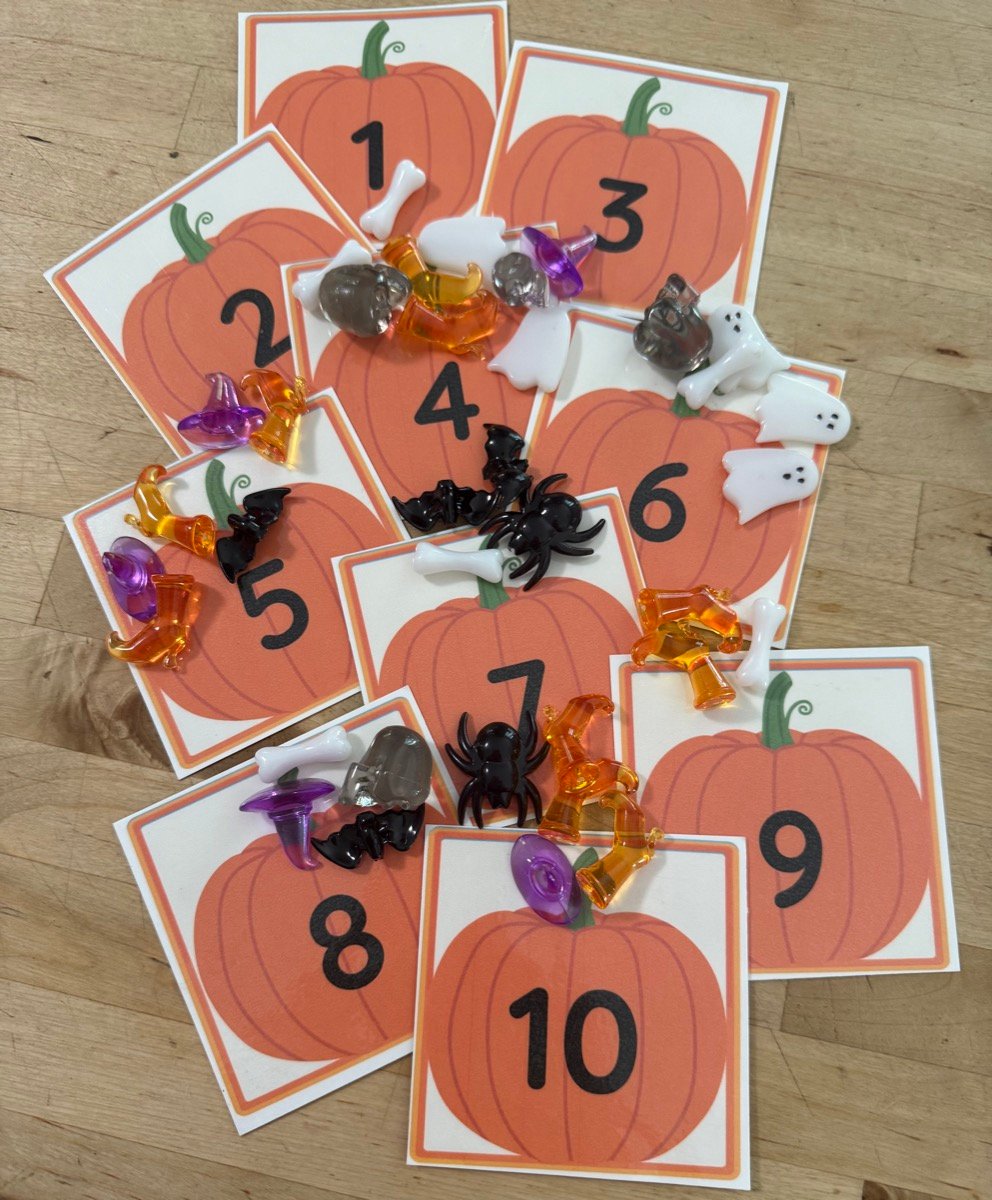
Fall & Halloween
Counting, patterning, and fine motor works for your October shelf.
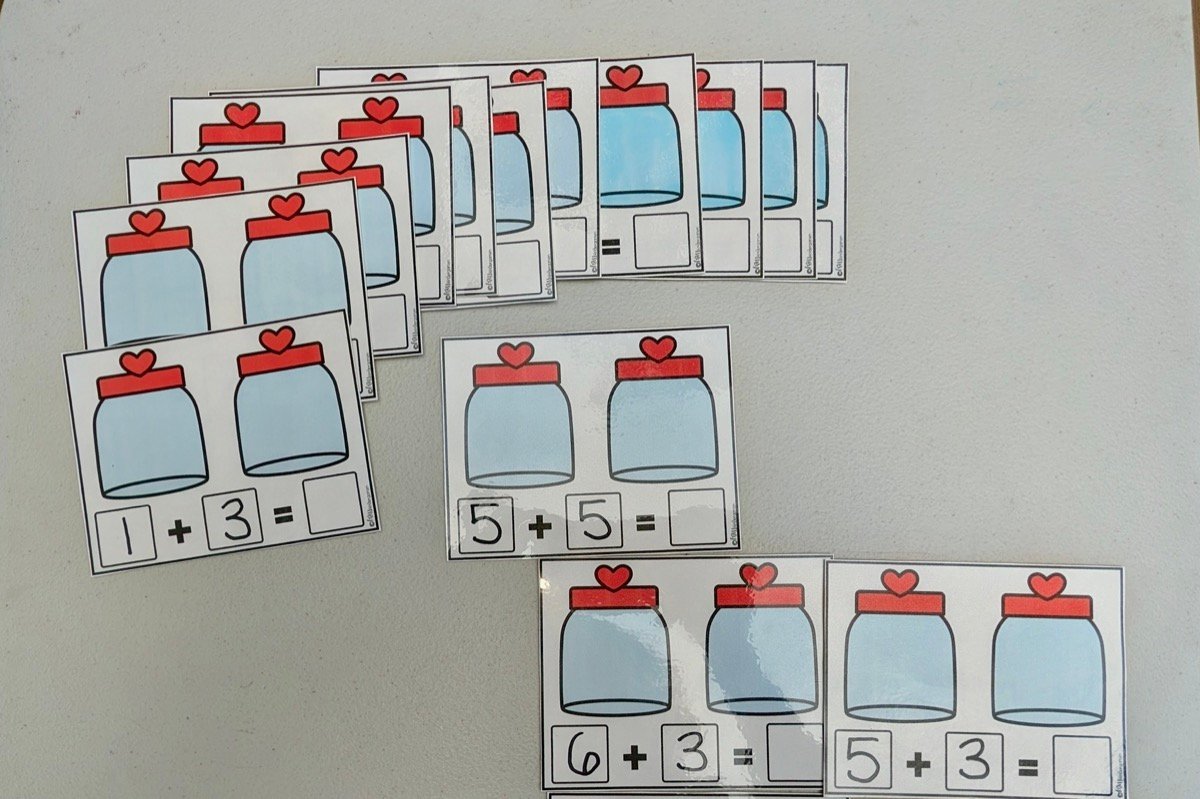
Valentine's Day
Phonics and word building works for February.
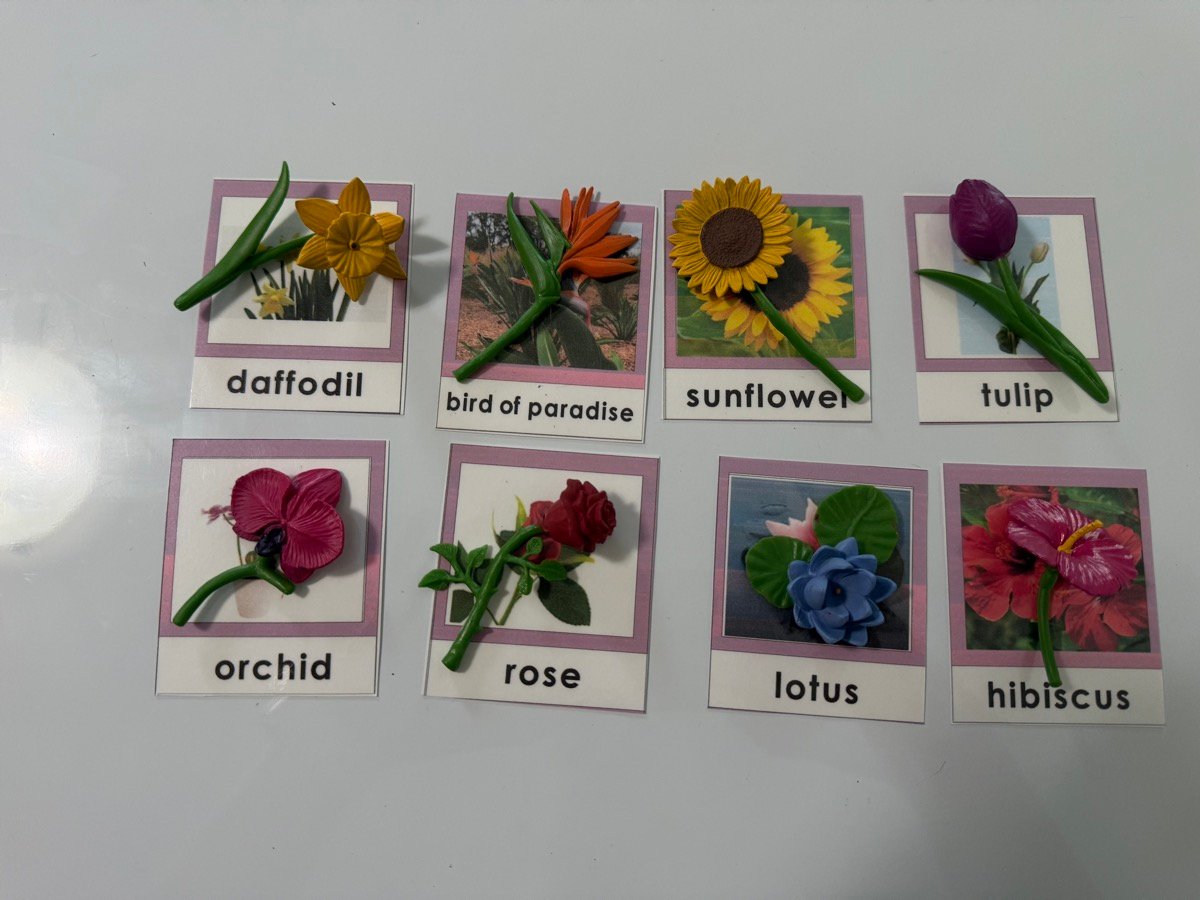
Spring
Flower matching, language works, and crafts for spring.
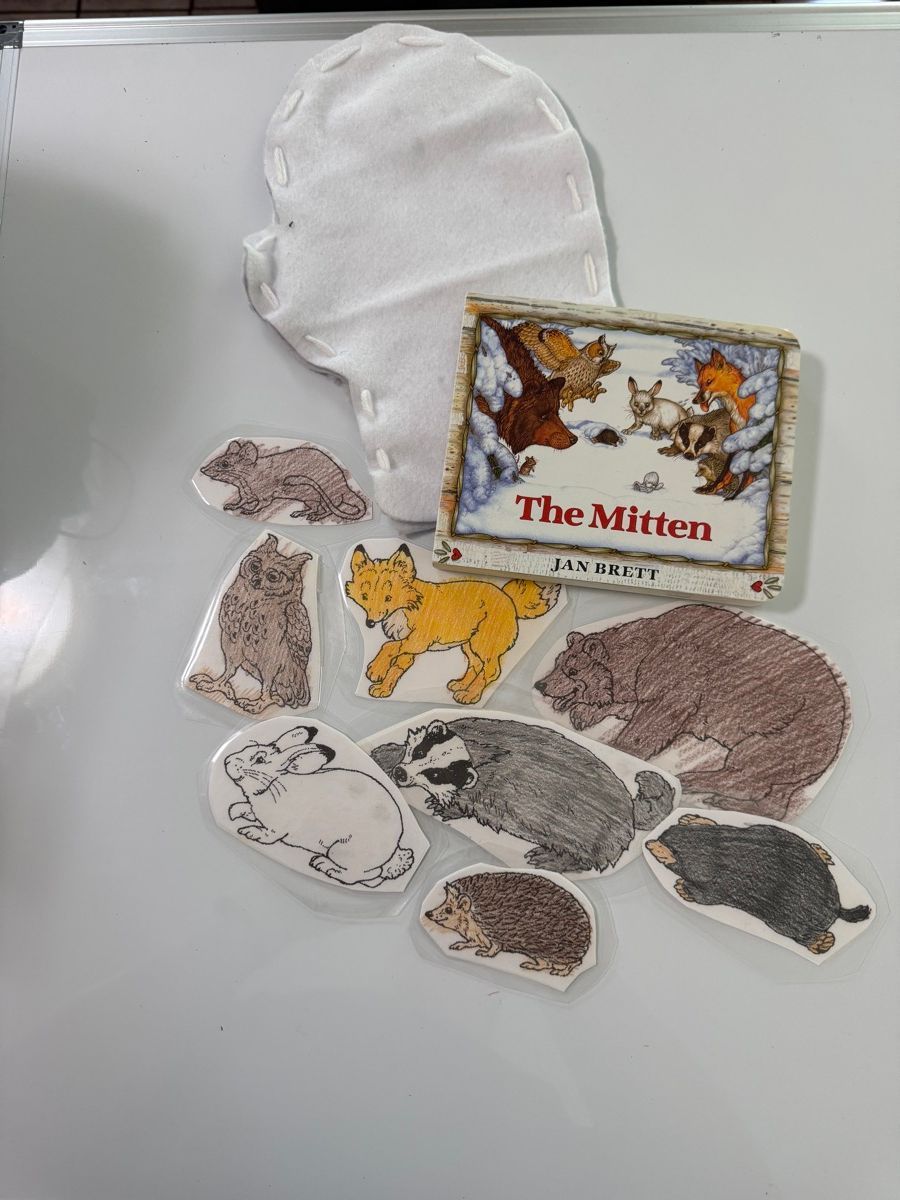
Winter
Sequencing, storytelling, and hands-on works for the winter months.
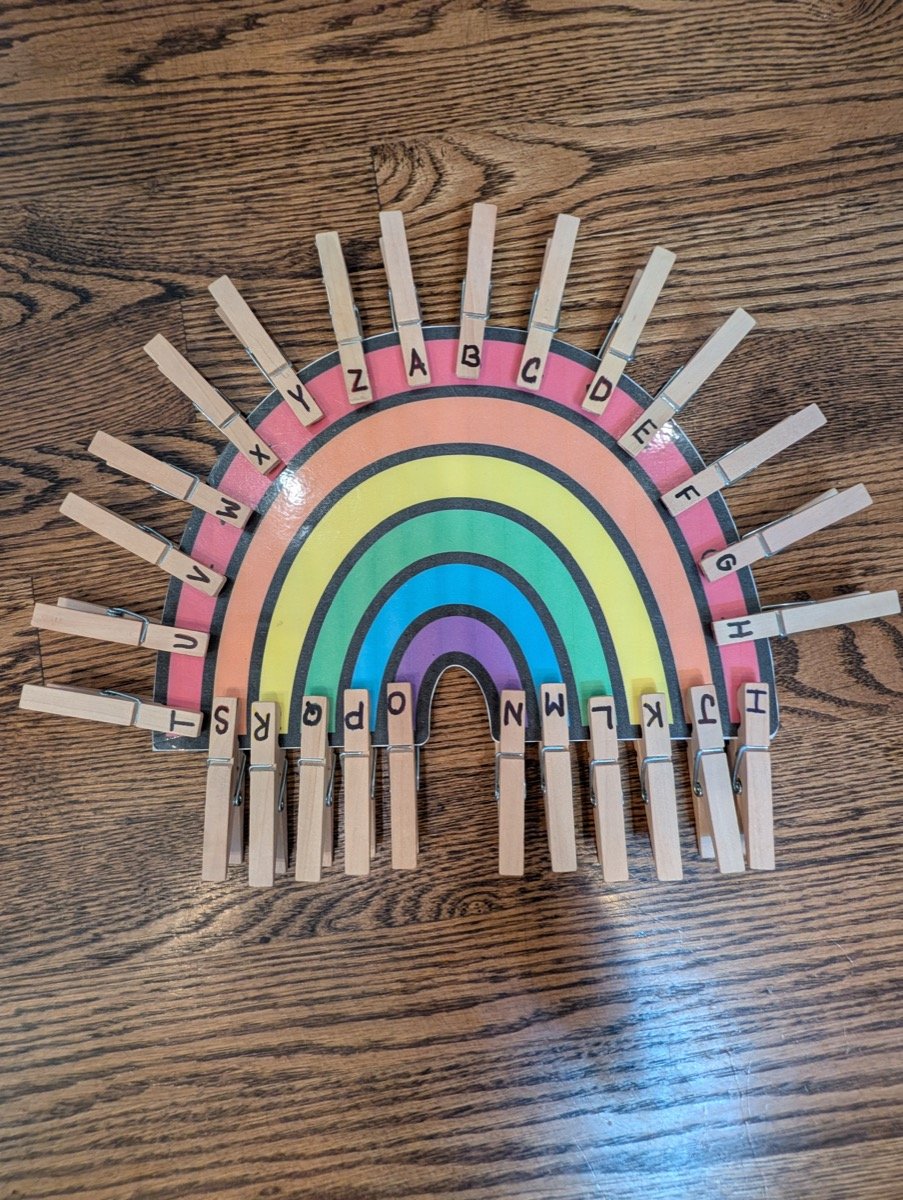
St. Patrick's Day
Math works and seasonal worksheets for March.
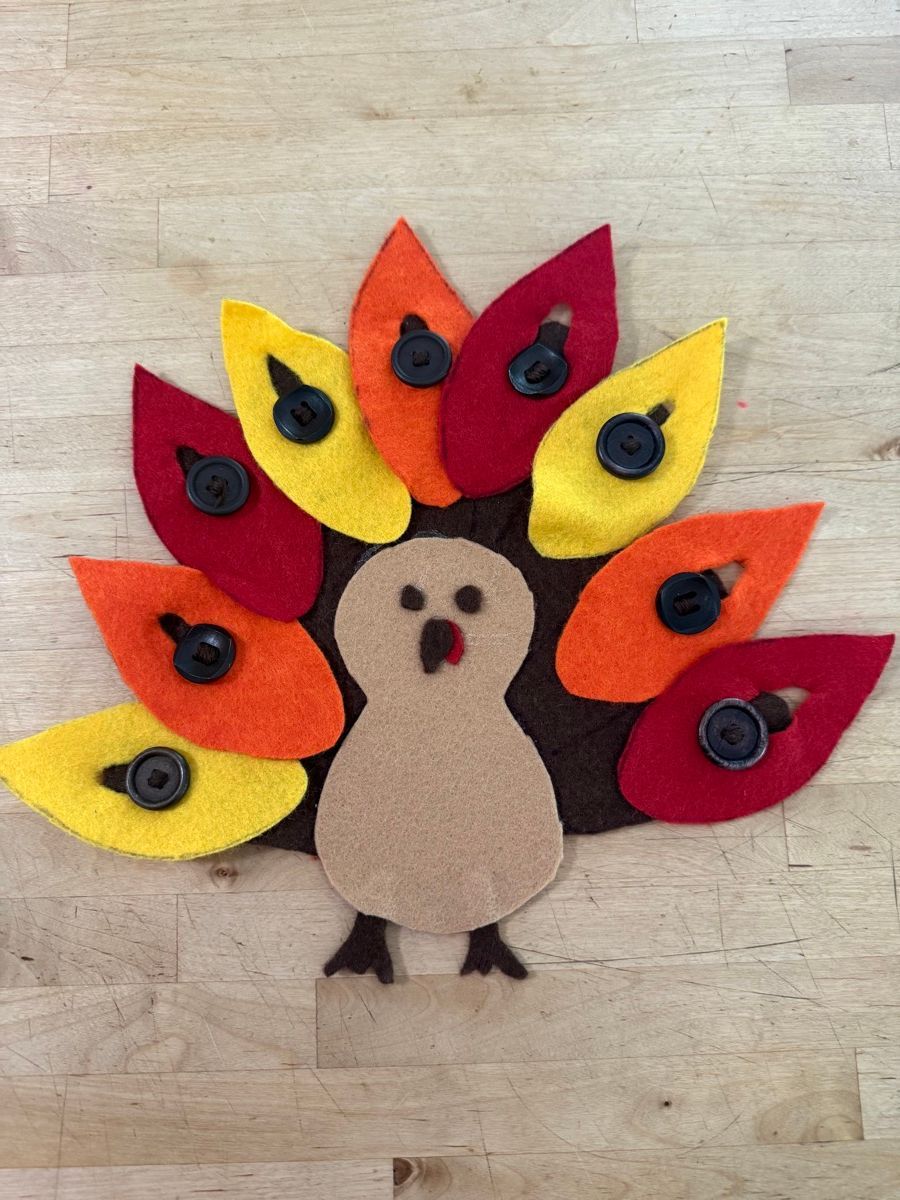
Easy Crafts
Simple crafts that are OK to get messy. No special supplies needed.
Guides & Activities
Step-by-step activity guides, crafts, and classroom ideas.
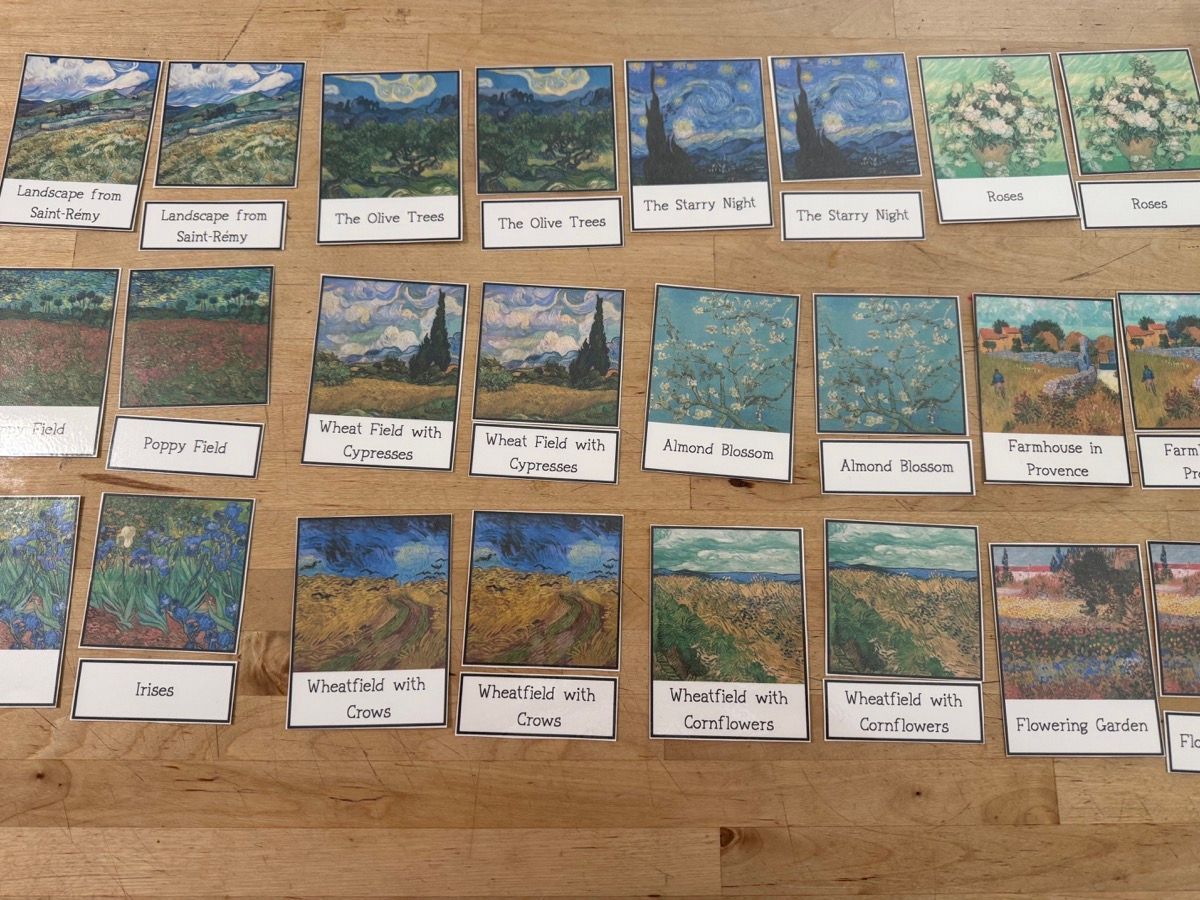
What Are Montessori Nomenclature Cards and How Do You Use Them?
Nomenclature cards are one of the most useful materials in a Montessori classroom. Here's what they are, how they work, and how to use them at home or at school.
Read the guide →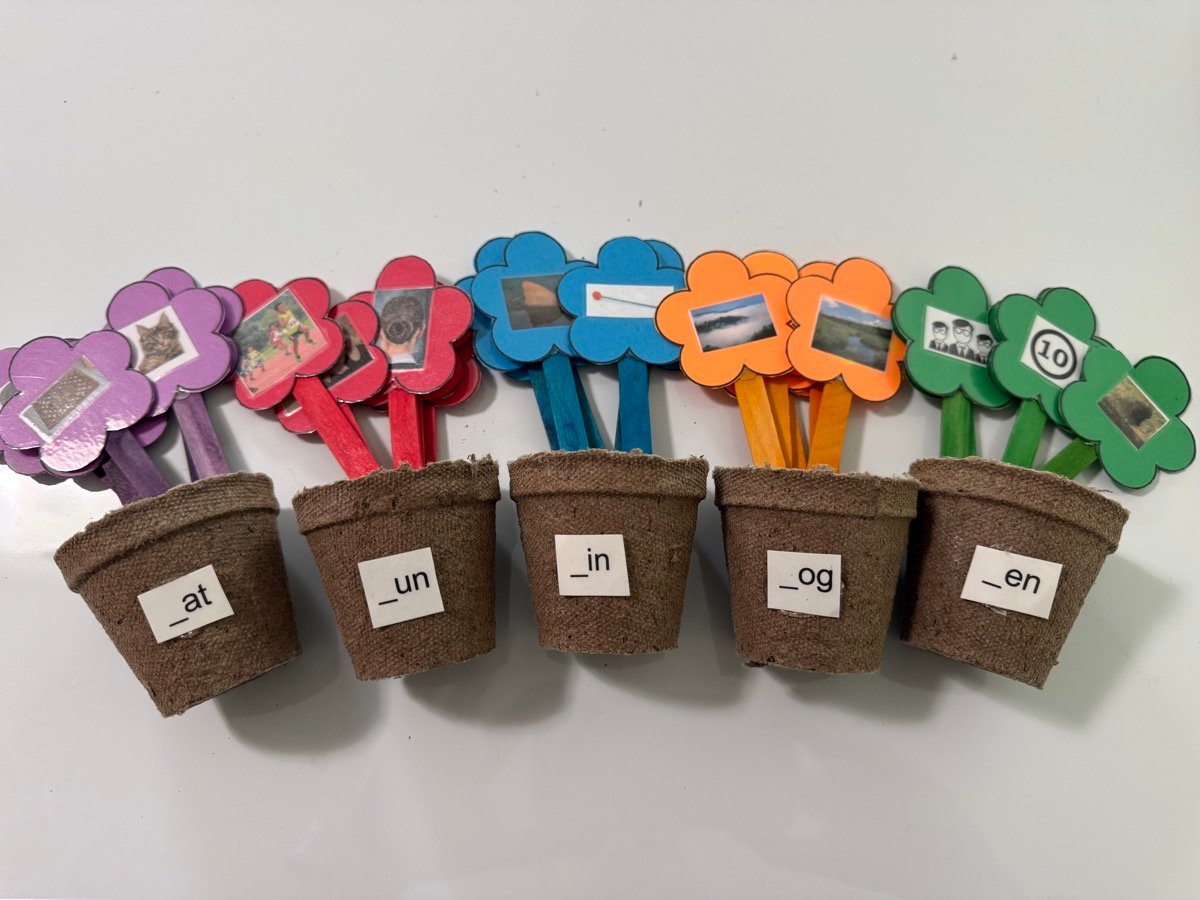
CVC Word Activities Your Kindergartner Will Actually Want to Do
CVC words are short three-letter words like "cat", "hop" and "sun". They're the first words most children sound out on their own. Here are some hands-on ways to practice them.
Read the guide →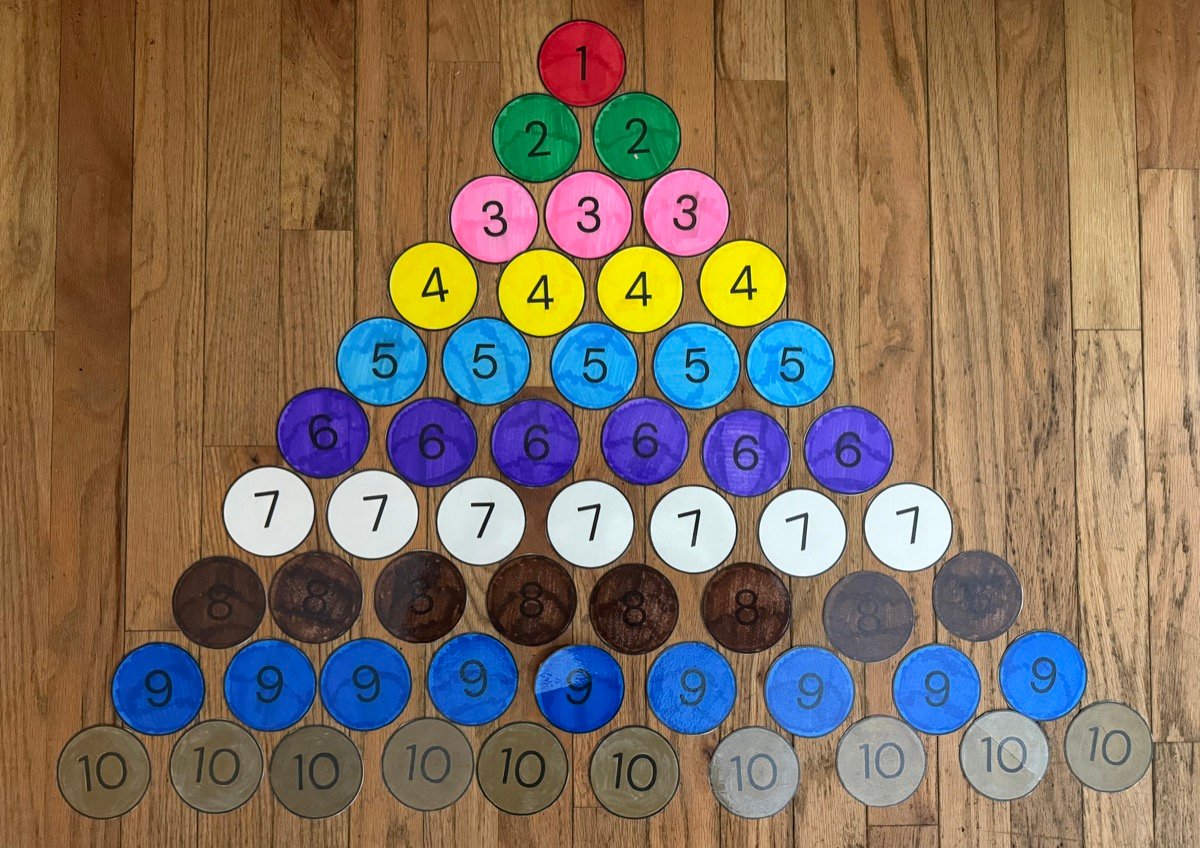
Montessori Math Materials You Can Use at Home (No Expensive Beads Required)
Montessori math moves from concrete to abstract. You don't need a full classroom set to do this at home. Here's what matters and how to start.
Read the guide →How to Set Up a Montessori Language Shelf at Home
A language shelf doesn't have to be fancy to work. Here's a simple way to set up Montessori language work at home, from phonics to word building.
Read the guide →Fall Classroom Activities for Preschool and Kindergarten
Fall is a great season for hands-on classroom work. Counting, patterning, fine motor practice and seasonal science all work well with fall themes.
Read the guide →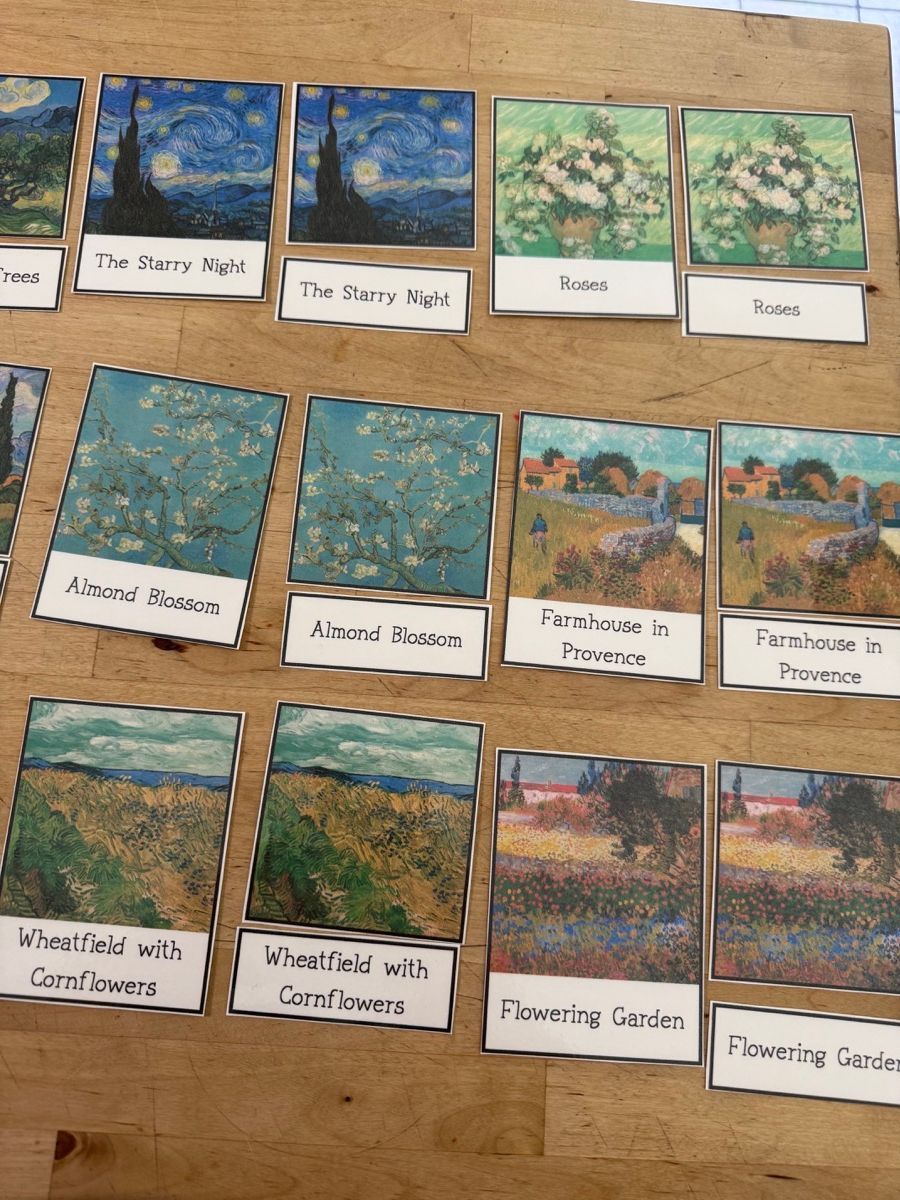
How to Introduce Fine Art to Young Children with Montessori Cards
Young children are natural art lovers. They just need a chance to look closely. Montessori art cards make fine art easy for kids to learn and remember.
Read the guide →Practical Life Fine Motor Activities for Pre-K
Fine motor skills are the base for writing, self-care and focused work. These simple Montessori practical life activities build those skills, and kids just think they're doing a fun job.
Read the guide →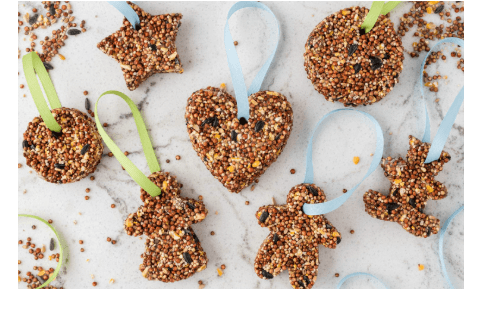
DIY Bird Feeder Craft for Kids (Ages 3–6)
Mix birdseed and gelatin, press it into cookie cutters, and hang it outside for the birds. A hands-on nature craft with measuring, mixing and a little waiting.
Read the guide →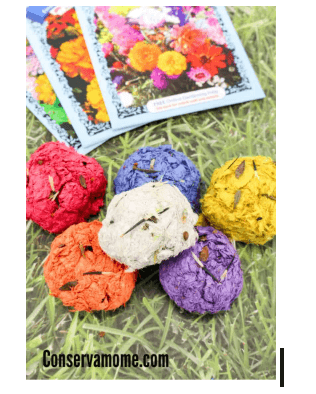
Garden Seed Bombs: A Spring Craft for Little Hands
Blend construction paper with water, roll it into balls, and coat them in wildflower seeds. Plant them outside and in a few weeks you get real flowers. Messy, but easy to manage.
Read the guide →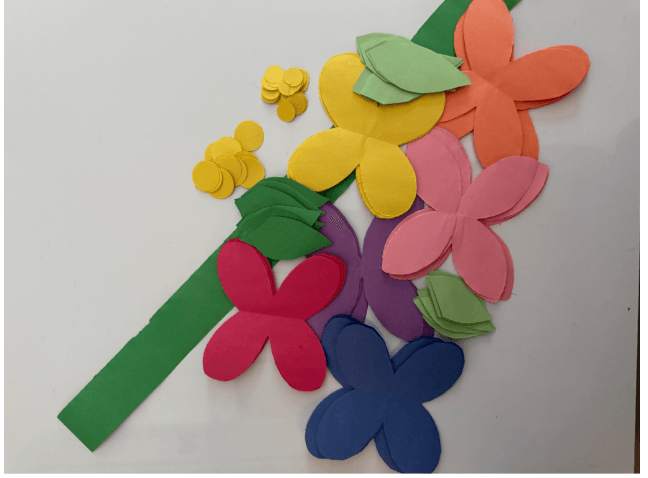
Paper Flower Crowns: A Simple Spring Craft
Cut, fold and glue construction paper flowers onto a paper headband. Kids make their crown and wear it home the same day.
Read the guide →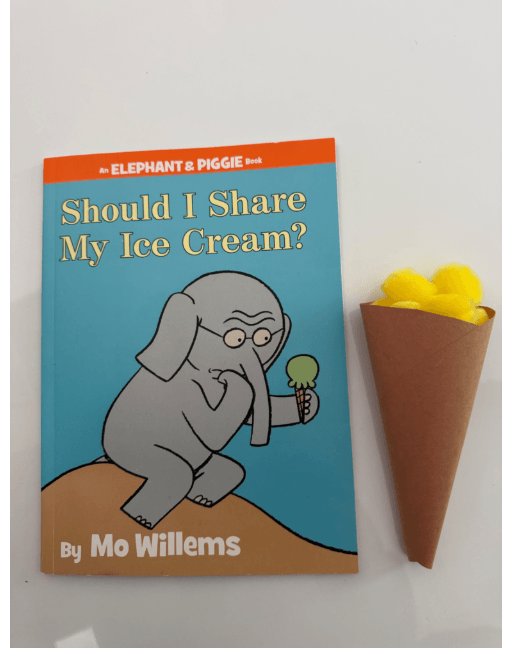
Should I Share My Ice Cream? A Circle Time Activity
After reading Mo Willems' book about Gerald's big decision, pass a paper ice cream cone around the circle and practice the words for sharing. A simple social-emotional activity for circle time.
Read the guide →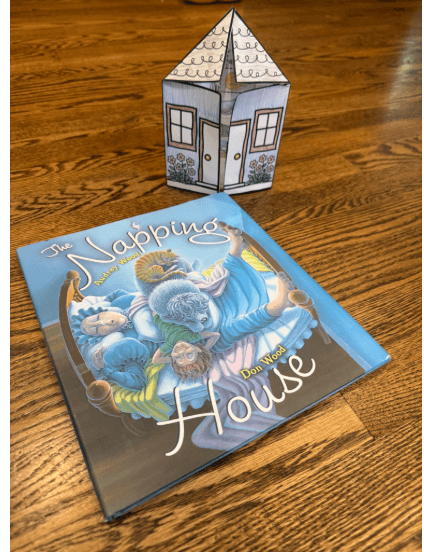
The Napping House: A 3D Storytelling Craft
After reading The Napping House, kids color, cut and put together a 3D paper house with the sleeping characters stacked inside. It works on retelling and fine motor skills at the same time.
Read the guide →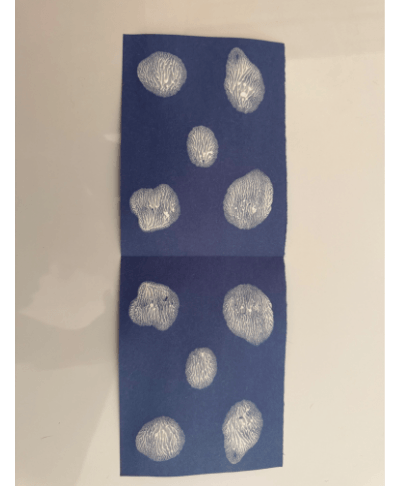
It Looks Like Spilled Milk: A Paint-Folding Art Activity
After reading It Looks Like Spilled Milk, kids squeeze white paint onto blue paper, fold it in half, and open it up to see what shape they made. Then they decide what it looks like.
Read the guide →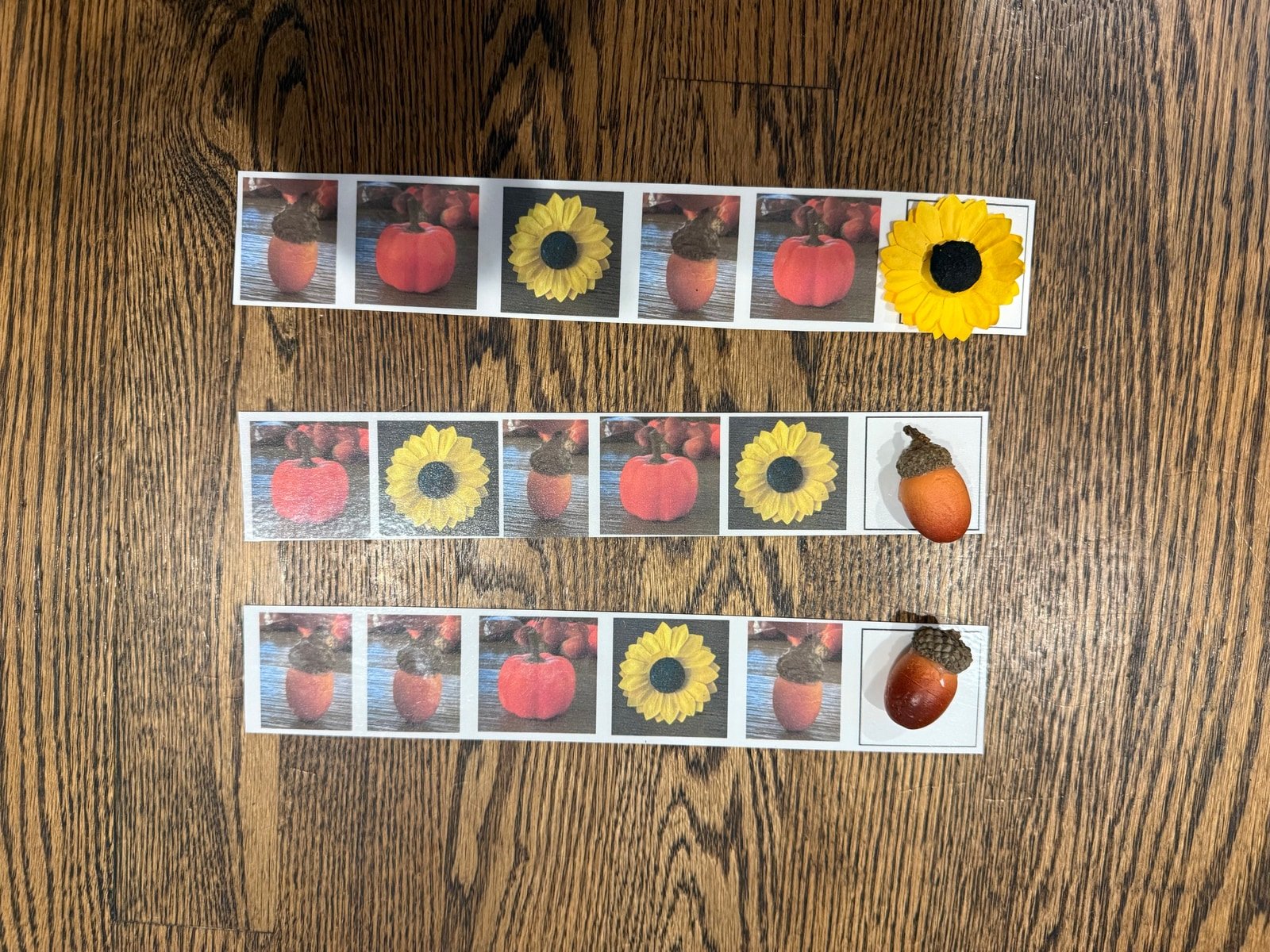
Fall Patterning with Real Objects
Kids finish printed pattern strips using real fall objects like acorns, sunflowers and pumpkins. A hands-on patterning activity for your fall math shelf.
Read the guide →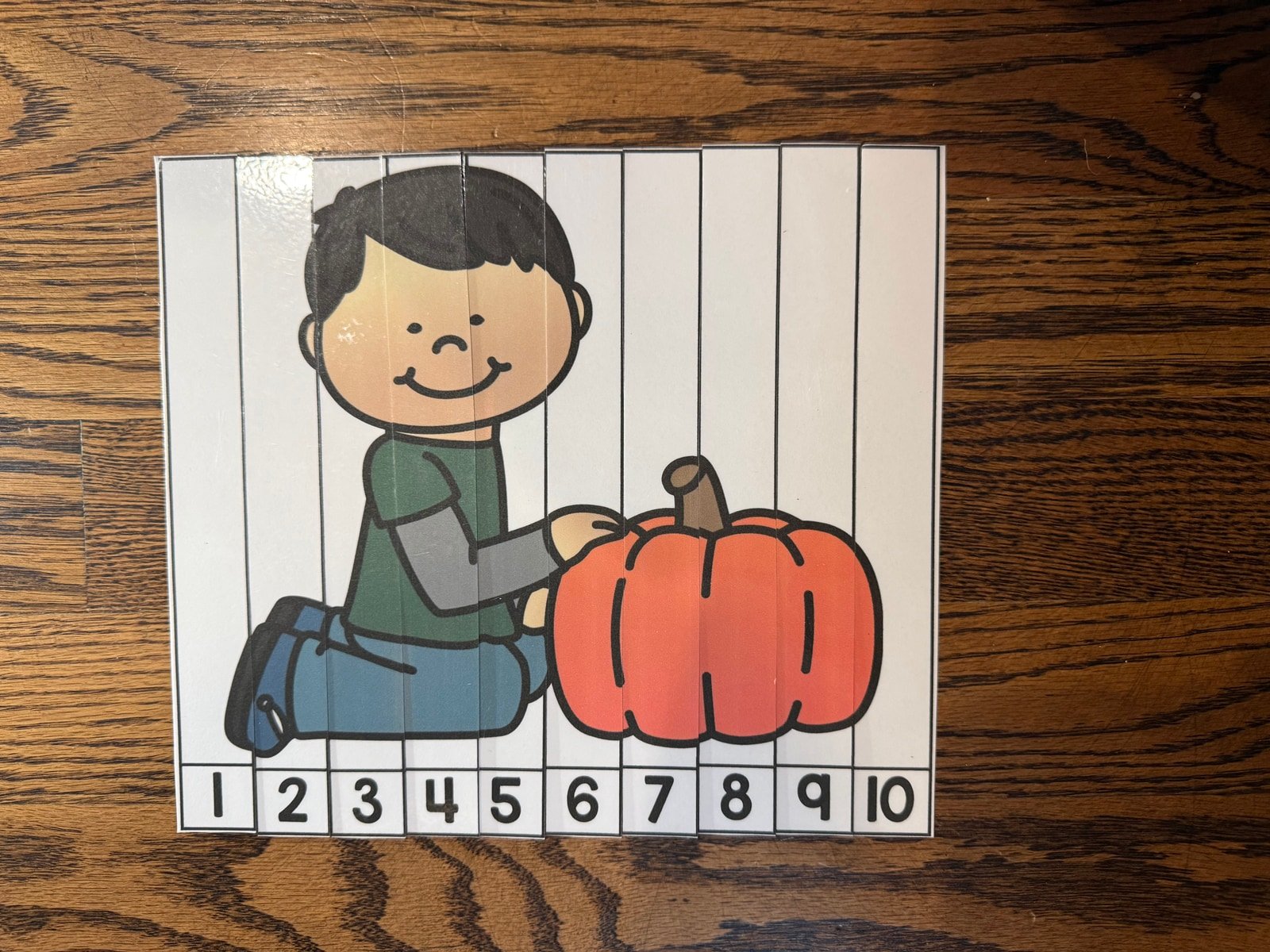
Fall Number Sequencing Puzzle
Kids put numbered picture strips in order from 1 to 10 to build a fall scene. The picture checks their work, and it builds number order and counting skills.
Read the guide →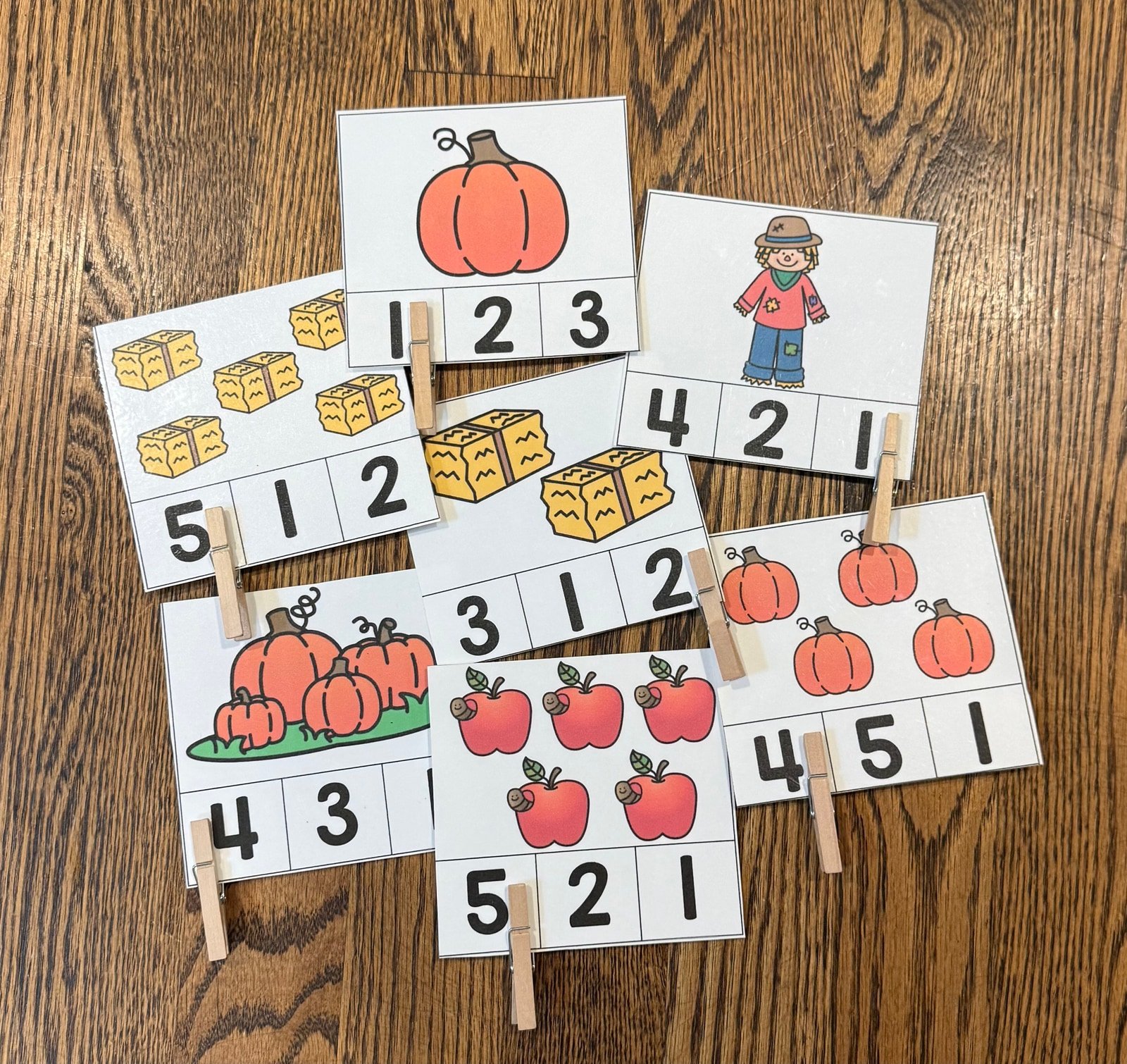
Fall Count and Clip Cards
Kids count the fall objects on each card and clip a clothespin to the matching number. The cards are self-correcting, and clipping builds fine motor strength.
Read the guide →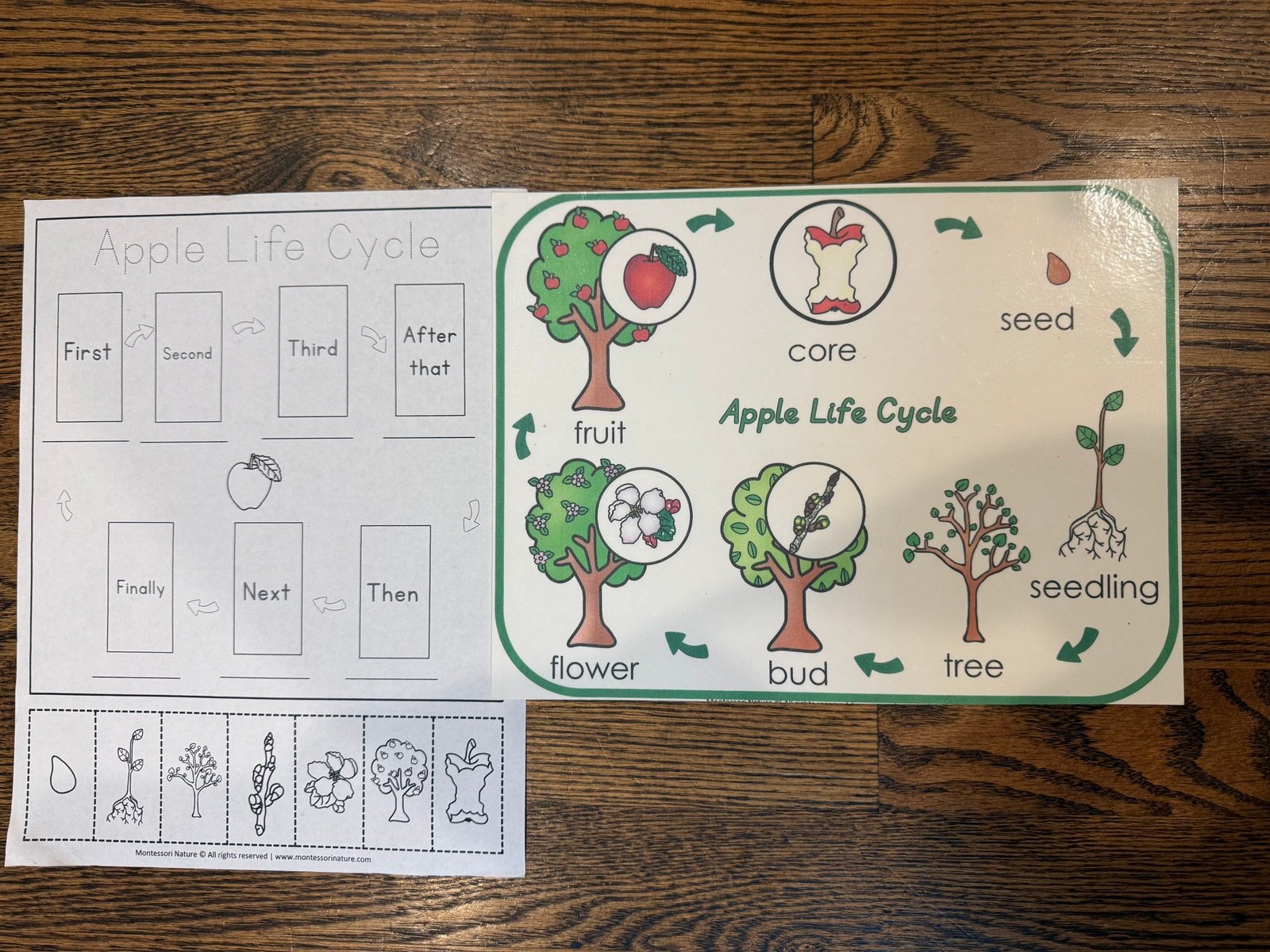
Apple Life Cycle: A Fall Science Activity
Children put the stages of an apple's life in order, from seed to fruit, using a diagram, a cut-and-glue sequencing worksheet, and a fold-out accordion book they make themselves.
Read the guide →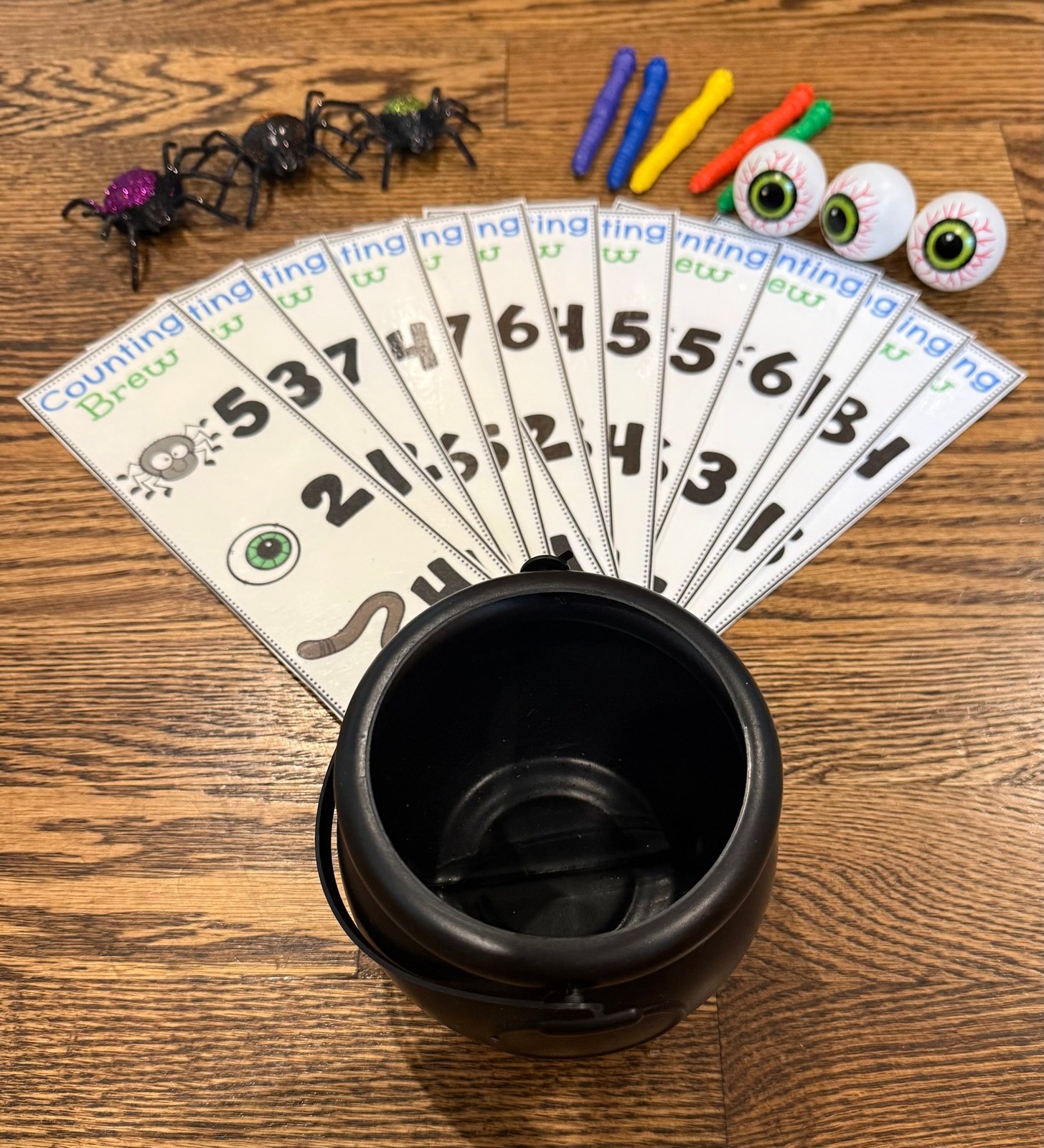
Halloween Counting Brew
Children count spiders, eyeballs, and worms into a cauldron to match numbered brew cards. A Halloween counting activity for one-to-one correspondence and number recognition.
Read the guide →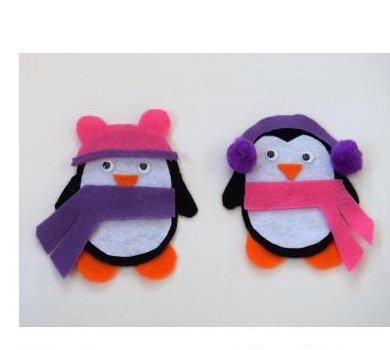
Felt Penguin Dress Up: A Winter Creative Play Activity
Children dress a felt penguin with colorful scarves, hats, and ear muffs. A simple open-ended activity for ages 3–6 that works on color recognition and pretend play.
Read the guide →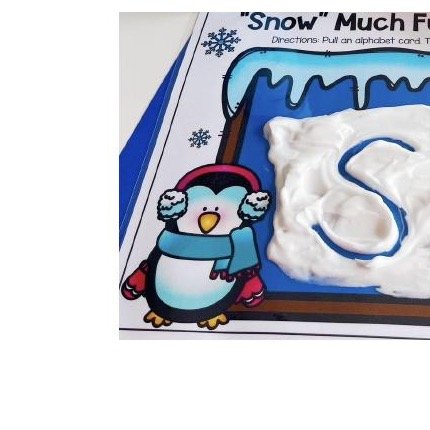
Snowman Letter Tracing: A Sensory Writing Activity
Children pick a letter card and trace the letter in shaving cream on a tray. A hands-on winter activity for practicing letter formation.
Read the guide →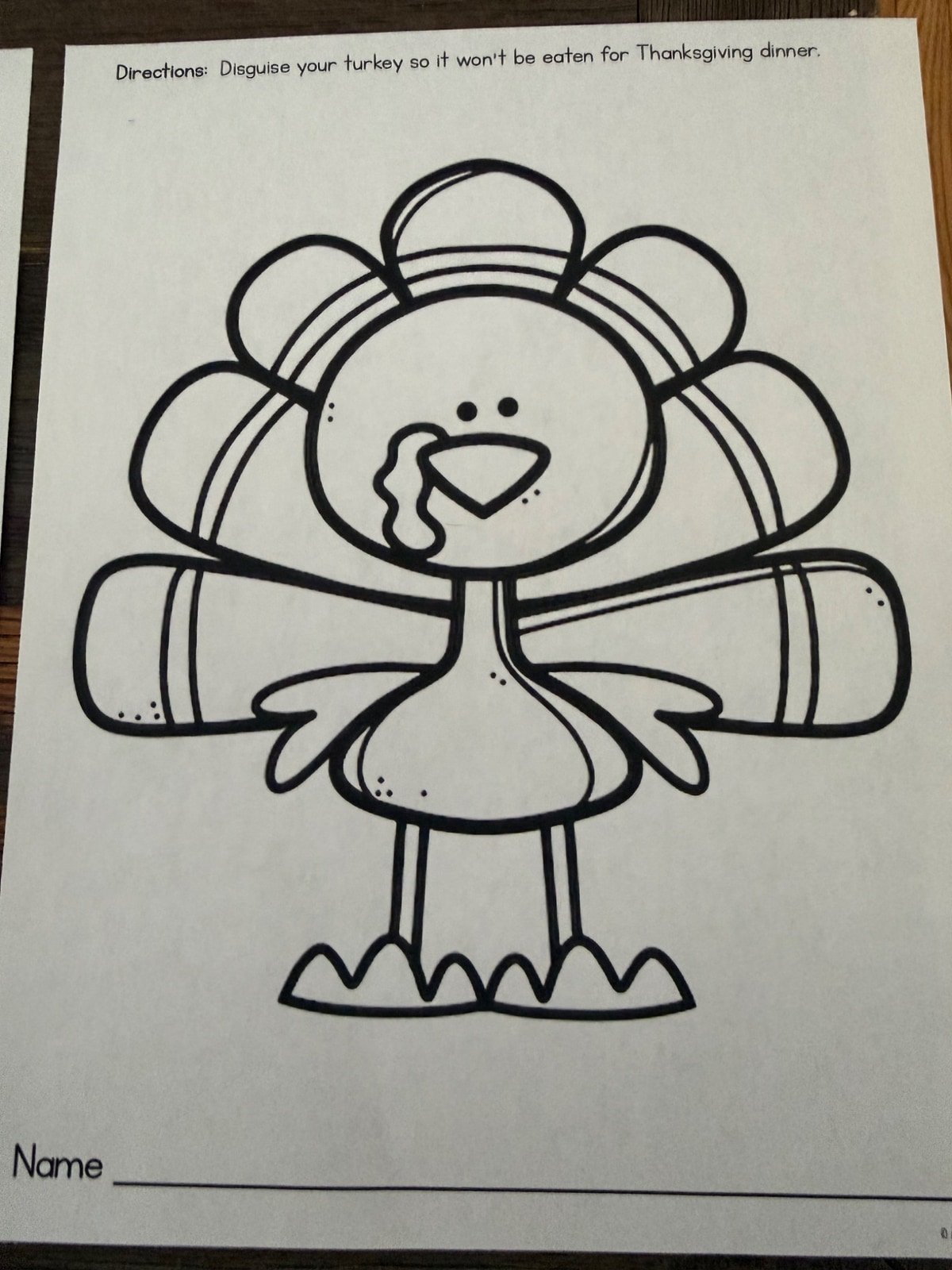
Disguise A Turkey: A Thanksgiving Take-Home Project
After reading Turkey Trouble at circle time, children take home a turkey outline with one job: disguise the turkey so it doesn't get eaten for Thanksgiving.
Read the guide →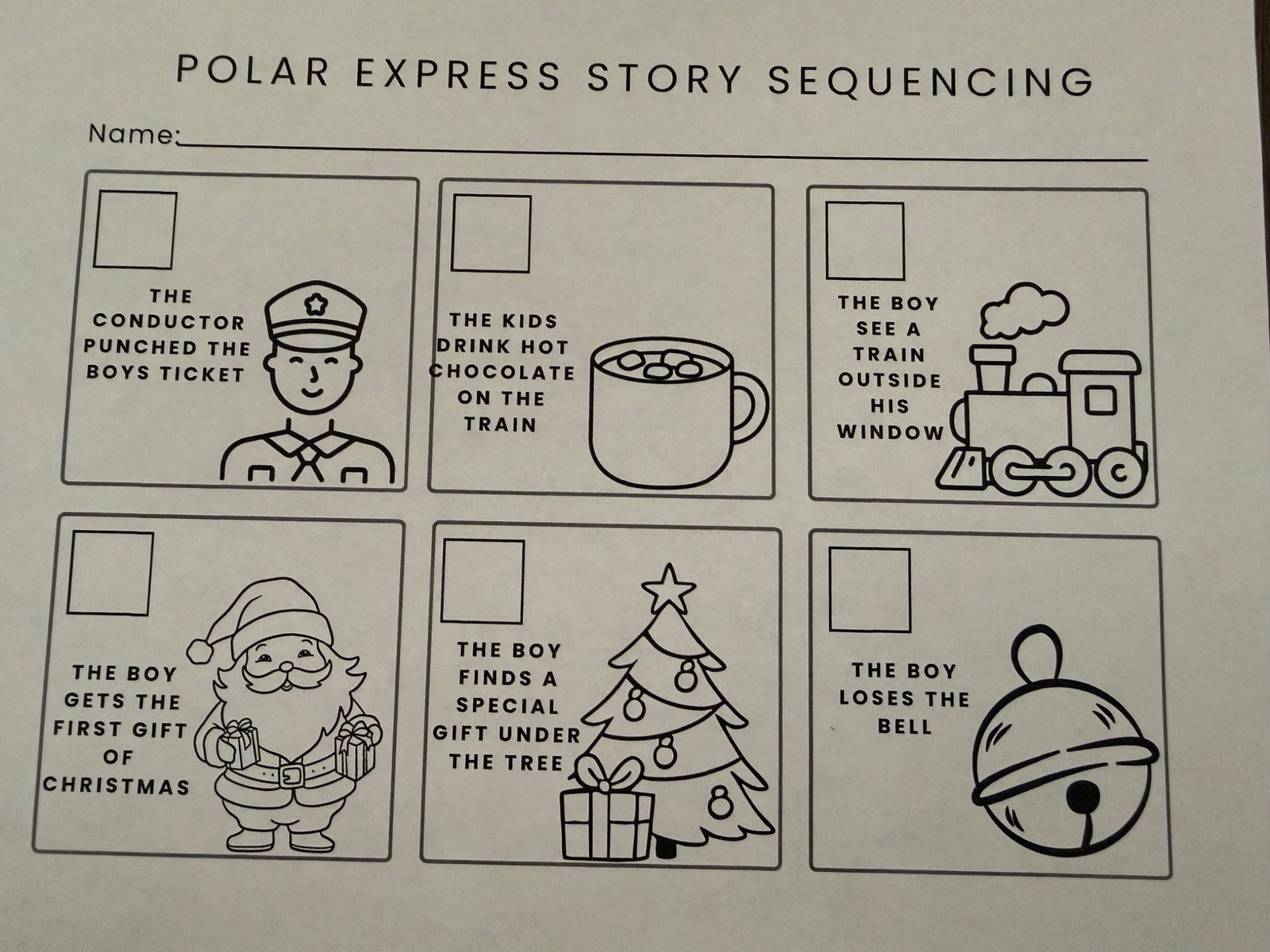
Polar Express Sequencing Activity
After reading The Polar Express, children put six key events from the story in order. A December literacy and comprehension activity.
Read the guide →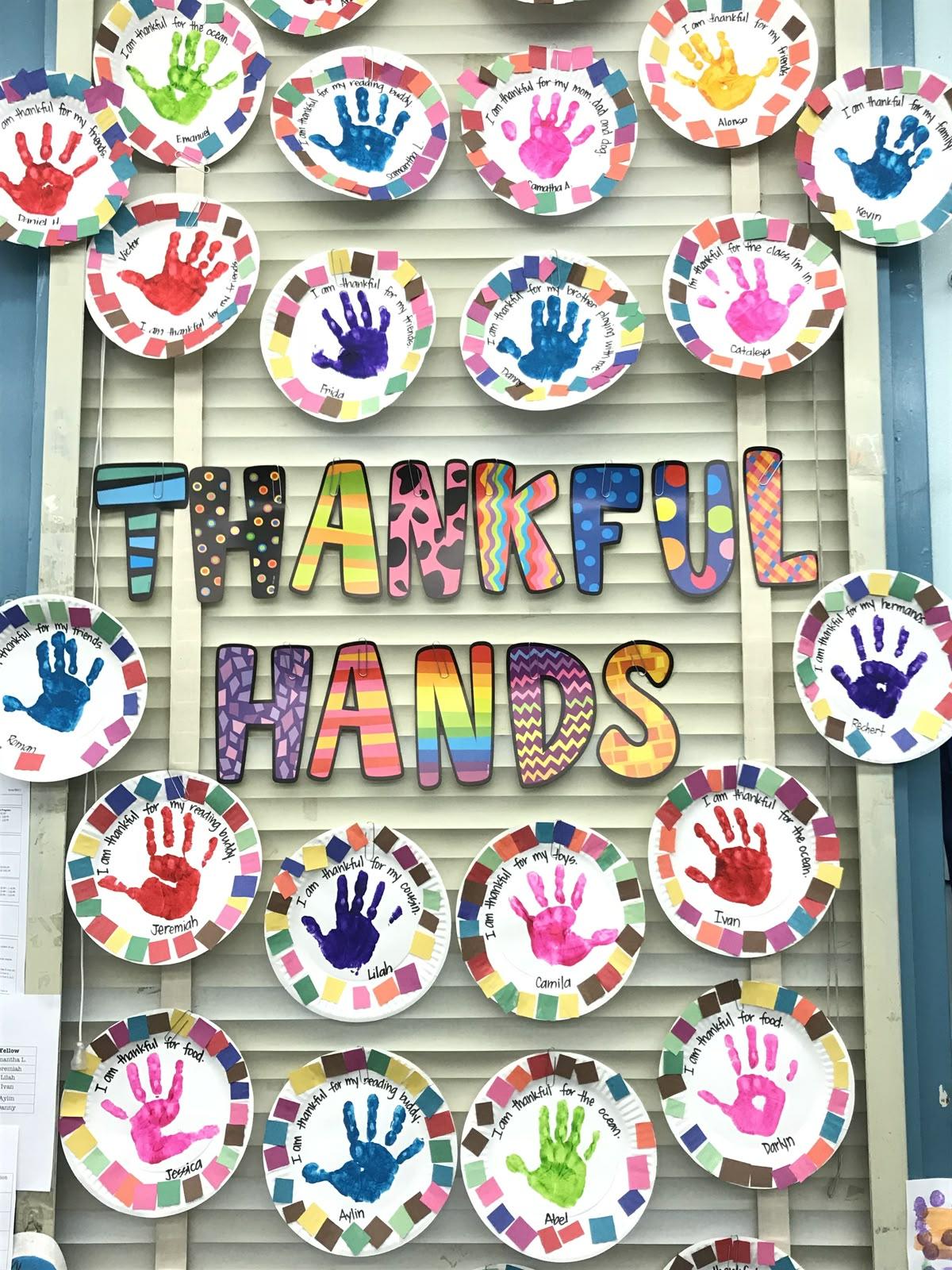
Thankful Hands: A Thanksgiving Handprint Art Project
Children glue colorful paper squares around a paper plate, then press a painted handprint in the center. A Thanksgiving display that doubles as a writing prompt about what they're thankful for.
Read the guide →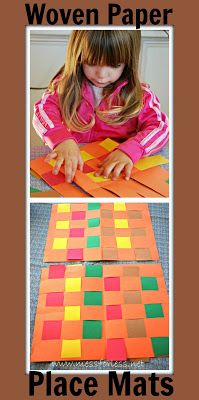
Placemat Weaving: A Fall Paper Weaving Activity
Children cut slits in a folded sheet of paper and weave colored strips through in an over-under pattern. A fine motor project that makes a fall placemat to take home.
Read the guide →